The H2E System.
Water as a Weapon.
The H2E System (Host · Electrocatalyst · Electrolyte) uses precision electrocatalysis to transform ordinary water into a charged, reactive bioactive agent — eliminating pests and pathogens on contact, then reverting to pure water and oxygen. No residue. No resistance. No compromise.
H2E: Host · Electrocatalyst · Electrolyte
The H2E system passes water through a specialized electrocatalytic device that outputs electrical current at specific frequencies and intensities. This activates water molecules into a high-energy, charged state — generating reactive oxygen species (ROS) and charged particles that physically destroy the protective structures of pests and pathogens. After acting, the activated water spontaneously deactivates and returns to stable H₂O and O₂.
This is not a chemical. It is the world's first application of electrocatalytic technology to pest and disease control — a physical mechanism that cannot trigger resistance, leaves no residues, and is safe for humans, beneficial insects, soil, and waterways.
From Tap Water to Pest Control — in 5 Steps
Water goes in. Pests and pathogens are eliminated. Water and oxygen come out.
H2E System Setup
Smart Host Unit + Electrocatalyst + Ion-Enhanced Eco-Friendly Protection Agent are combined into one integrated, on-site system.
Water Transformation
The device outputs precise electrical current, generating charged particles and Reactive Oxygen Species (ROS) in the water — activating it to an excited, high-reactivity state.
Mechanism of Action
Charged particles physically destroy the protective wax layers of insects, penetrate cell membranes of microorganisms, disrupt DNA replication, and interfere with enzyme metabolism — simultaneously, across all targets.
Reaction End Products
Once their function is complete, the active species rapidly deactivate and convert back into water (H₂O) and oxygen (O₂). No toxic residue. No soil contamination. No withdrawal period.
Prevention & Control
Effective against spider mites, thrips, whiteflies, aphids, scale insects, powdery mildew, gray mold, downy mildew, rust, black spot, and more — 90%+ efficacy on key targets.
Three Components. One Integrated System.
Smart Host Unit
The electrocatalytic generator — the core of the H2E system. It processes water through the catalytic chamber, outputting electrical current of specific frequency and intensity to activate water at scale. Three models scale to any operation size.
Electrocatalyst
The proprietary catalyst array that drives water transformation. Engineered to maximize ROS generation and charged particle output while maintaining system stability and long service life. Protected by patent No. 202510070448.9 (Agriculture) and No. 202510023603.1 (Aquaculture).
Ion-Enhanced Protection Agents
Food-grade formulations made from natural minerals and plant-derived substances. Verified by Eurofins laboratory testing — 531 pesticide residue items: zero detected. 5 heavy metals: all compliant. Three targeted agents for broad-spectrum prevention, fungal control, and insect control.
What would 50% less pesticide cost and 90%+ control look like for your crops?
Our agronomists assess your operation, identify the right system configuration, and build a custom cost comparison. No obligation — just clear numbers.
Why H2E Wins Every Comparison
The first and only application of electrocatalytic technology to pest and disease control. Physical action. No chemicals. No resistance. No residue.
Zero Pesticide Residue
Reaction end products are water (H₂O) and oxygen (O₂) — 99.2% conversion verified by GC–MS analysis. Residual reactive oxygen falls below 0.1 ppm, under drinking water standards. No withdrawal period required.
50%+ Reduction in Chemical Use
Application costs are lower than chemical pesticides, reduced by 40% or more — while cutting overall pesticide volumes in half or more.
90%+ Efficacy on Key Targets
Multiple simultaneous mechanisms of action — wax layer destruction, cell membrane penetration, DNA damage, enzyme disruption — deliver comprehensive control that outperforms single-mechanism chemical options.
Resistance Cannot Develop
Physical destruction (not neurotoxic chemistry) means there is no biological pathway for pests or pathogens to develop resistance. Performance stays consistent season after season.
Safe for Ecosystems & People
Skin irritation index: 0.02 (standard ≤0.5). Acute oral LD₅₀ > 5,000 mg/kg (practically non-toxic). 96-hour fish exposure EC₅₀ > 100 mg/L. Impact on soil microbial diversity: <0.5%.
Scalable Across Every Sector
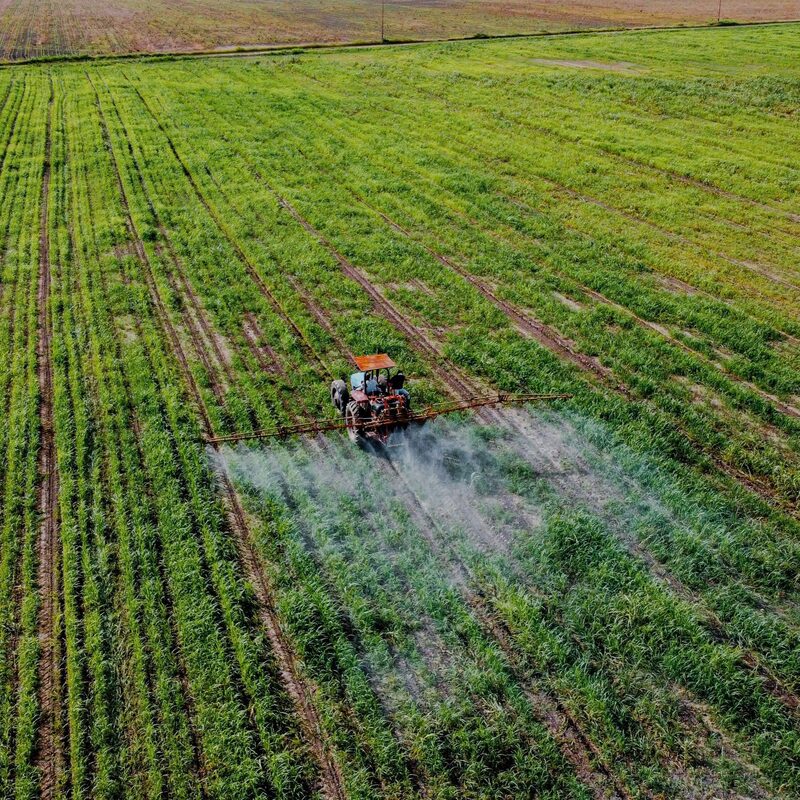
One core technology platform adapts to greenhouses, open-field crops, orchards, forestry, golf turf, and livestock biosecurity — with application methods ranging from manual sprayers to drones to high-pressure fogging.
H2E vs. Every Other Method
The H2E system is not an incremental improvement. It is a fundamentally different class of technology.
| Dimension | Chemical Pesticides | Biological Control | UV / Ozone | H2E Catalytic Ionized Water |
|---|---|---|---|---|
| Mechanism | Neurotoxins | Pathogen inhibition | Physical DNA destruction | Physical oxidation + electrical breakdown |
| Onset Speed | 1–24 hours | 3–15 days | Instant | 5 seconds – 5 minutes |
| Resistance | Develops after ~3 years | Minimal | None | Never occurs |
| Human Toxicity | LD₅₀ 50–500 mg | Generally safe | Protective equipment required | Non-toxic |
| Residue | Persists in soil & produce | Minimal | None | Zero — converts to H₂O + O₂ |
| Application Range | Open-field only | Closed or open | Enclosed spaces only | All environments |
| Application Cost | Medium | Medium | High | Low |
What the H2E System Controls
Verified through independent laboratory testing in China. Insecticidal and antimicrobial efficacy reports available on request.
Insecticidal efficacy reports, antimicrobial efficacy reports, surface disinfection efficacy reports, and safety assessment reports issued by independent testing laboratories in China are available to qualified partners and prospective customers. Request the data package →
The Complete H2E Product Range
Hardware, formulations, and extended application equipment — everything needed to run a complete zero-residue crop protection program.
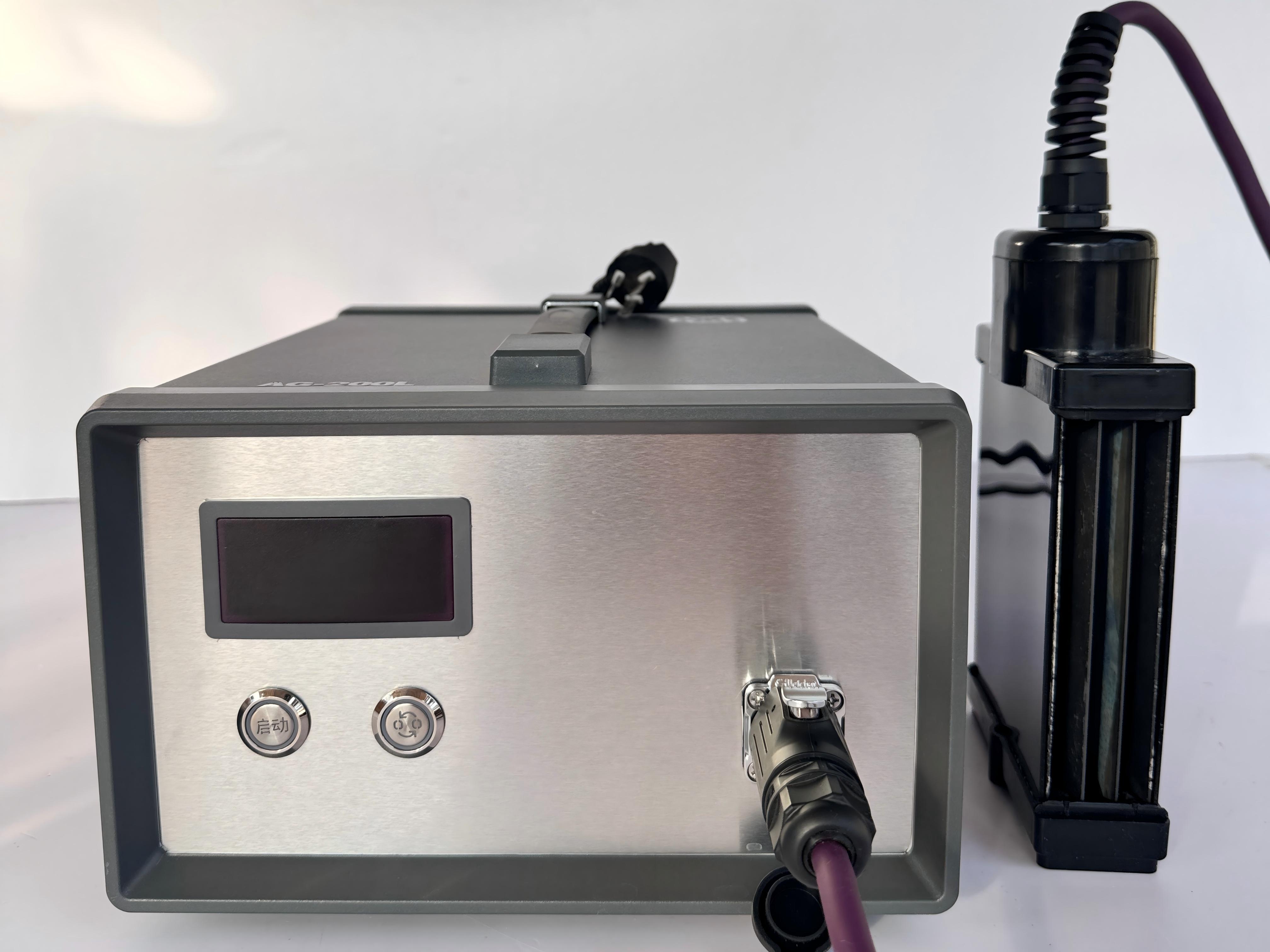
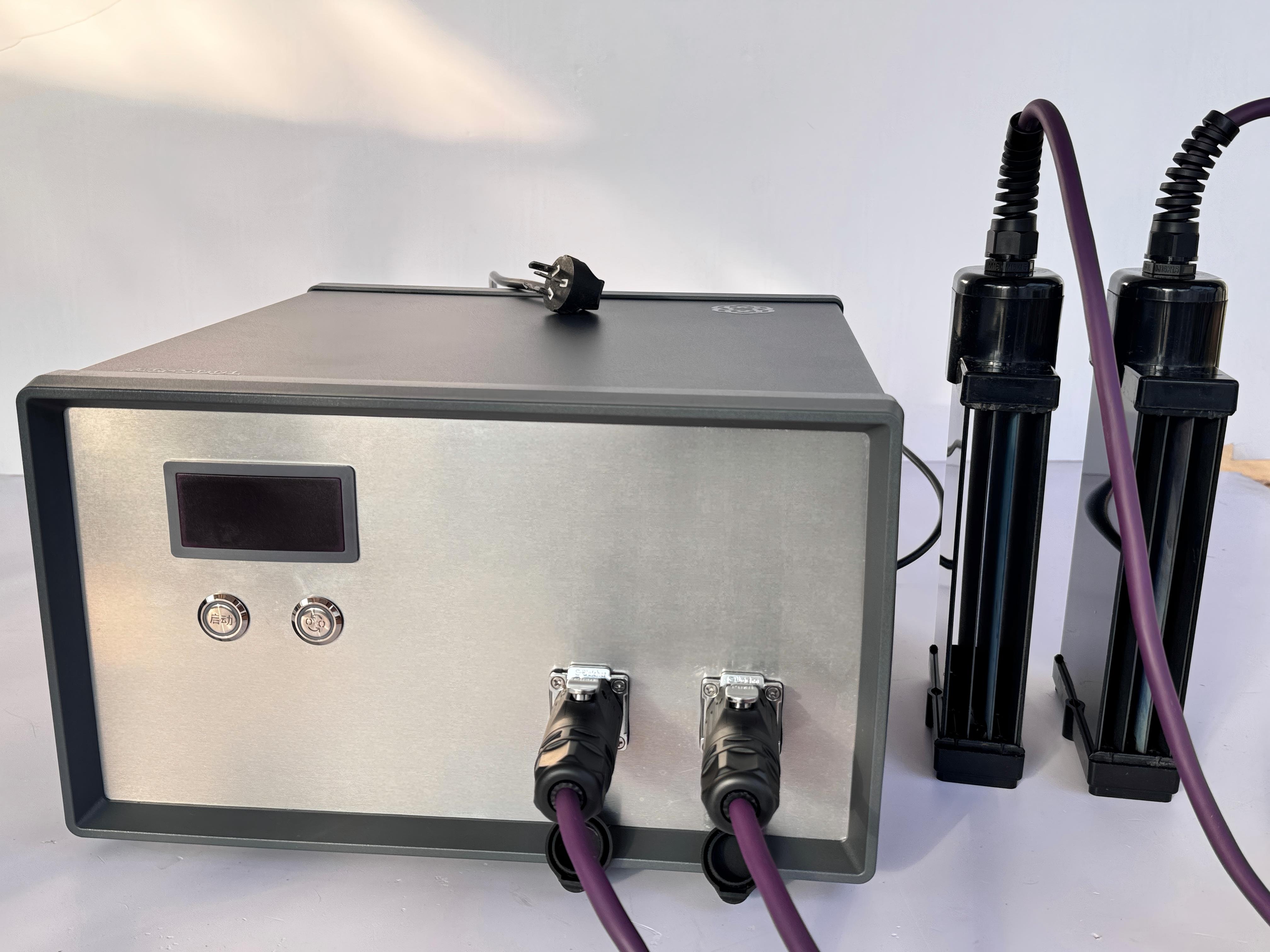
Smart Host Units
Three models (AG-200L, AG-500L, AG-1000L) scale from small greenhouse operations up to 82+ acre commercial farms. Extremely low energy consumption — the AG-1000L runs at approximately 1 kWh per hour while producing 1,000 litres of activated water.
Extended Equipment Lines
High-pressure fogging systems, drone spraying configurations, and smart monitoring systems — ask about configuration options for your site.
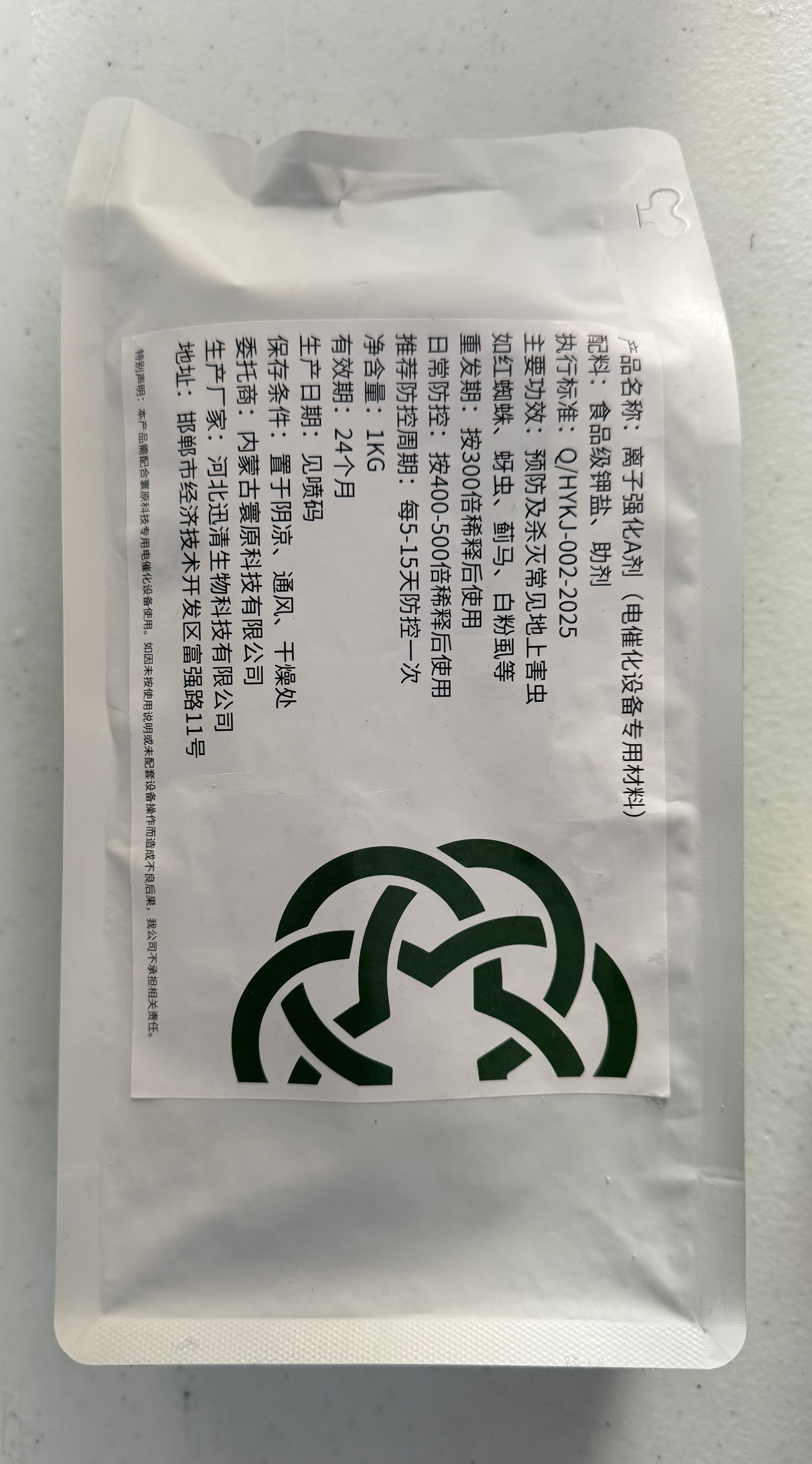
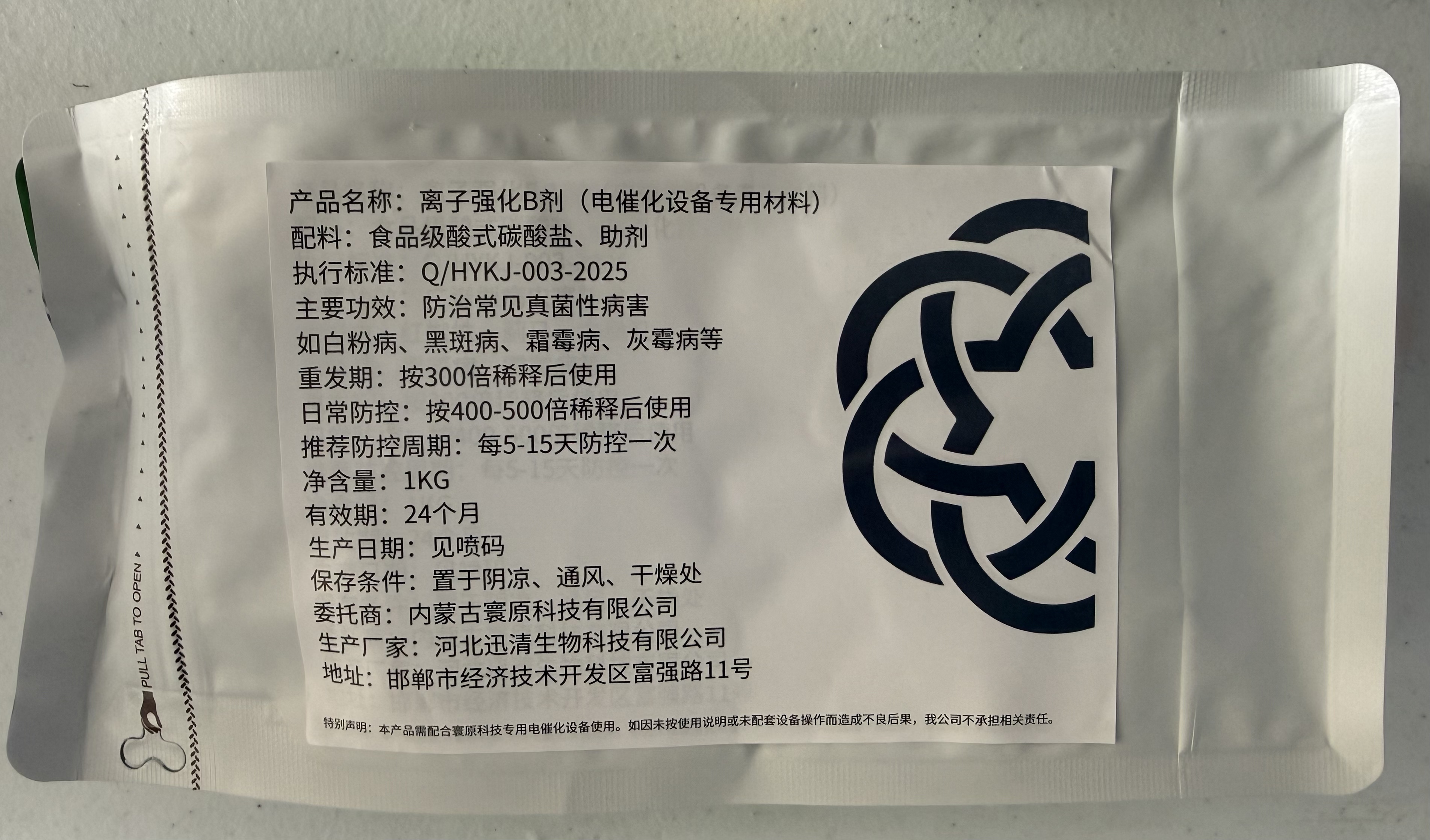
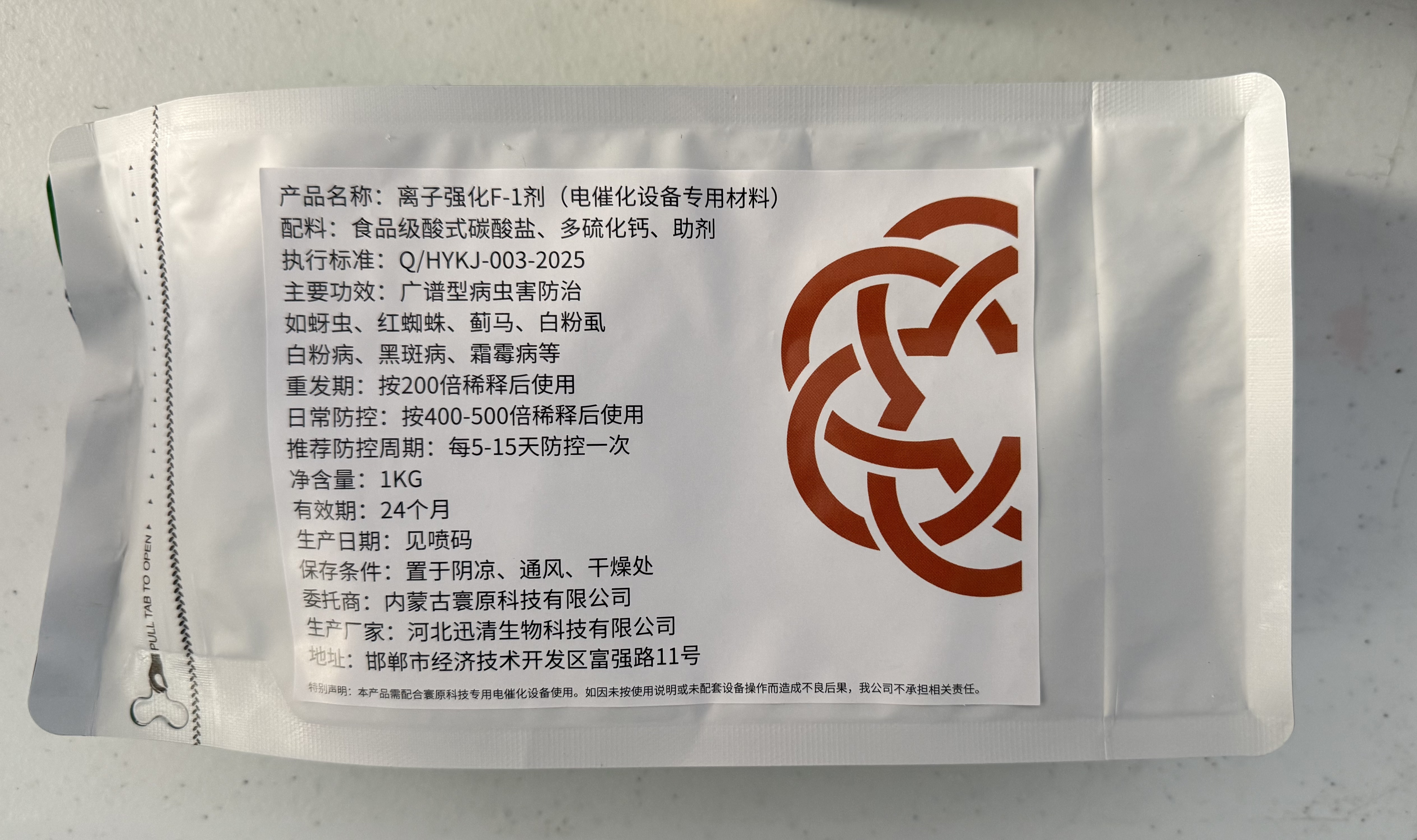
Ion-Enhanced Protection Agents
Three targeted eco-formulations (Broad-Spectrum, Fungal, Insect) in 1 kg, 5 kg, and 10 kg formats. All food-grade, natural mineral or plant-derived ingredients. Zero pesticide residues detected across 531-item Eurofins test panel.
Choose the Right Deployment for Your Operation
H2E catalytic ionized water can be deployed across multiple methods. Select based on your acreage, crop type, and current infrastructure.
| Application Method | Best For | Coverage Speed | Cost Efficiency | Setup Time |
|---|---|---|---|---|
| Manual Sprayer | Small plots, greenhouses, nurseries | Slow (labor-intensive) | Highest cost/hectare | Minimal |
| Spray Vehicle | Medium fields (50–500 mu), orchards | Medium | Moderate cost/hectare | 1–2 days |
| High-Pressure Fogging | Greenhouses, precision crops | Fast (full canopy coverage) | Moderate cost | 1–3 days |
| Drone Spraying | Large open-field (500+ mu) | Very fast | Lowest cost/hectare | 2–3 days |
Not sure which method is right for you? Our agronomists will assess your acreage, crop types, and current infrastructure during your free assessment — then recommend the most cost-effective solution.
Patents
The core electrocatalytic technology is protected by filed patents issued by the China National Intellectual Property Administration.
Independent Laboratory Testing
Multiple rounds of independent laboratory testing validate both efficacy and safety claims.
Built Green. By Design.
H2E is not a greener chemical — it is a fundamentally different kind of protection. The system emits no toxic byproducts, leaves no residue in soil or produce, and its ecological footprint is negligible: 96-hour fish exposure testing shows EC₅₀ > 100 mg/L, and impact on soil microbial diversity is less than 0.5%.
For operations pursuing organic certification, ESG compliance, or premium market positioning, H2E provides both the performance and the documentation to support those goals.
Managed Plant Protection Services
For operations that want complete peace of mind: we provide end-to-end managed crop protection — on-site diagnosis, equipment, consumables, technical solutions, and ongoing agronomist support. One service fee. Zero pesticide residue goal.
Initial On-Site Diagnosis
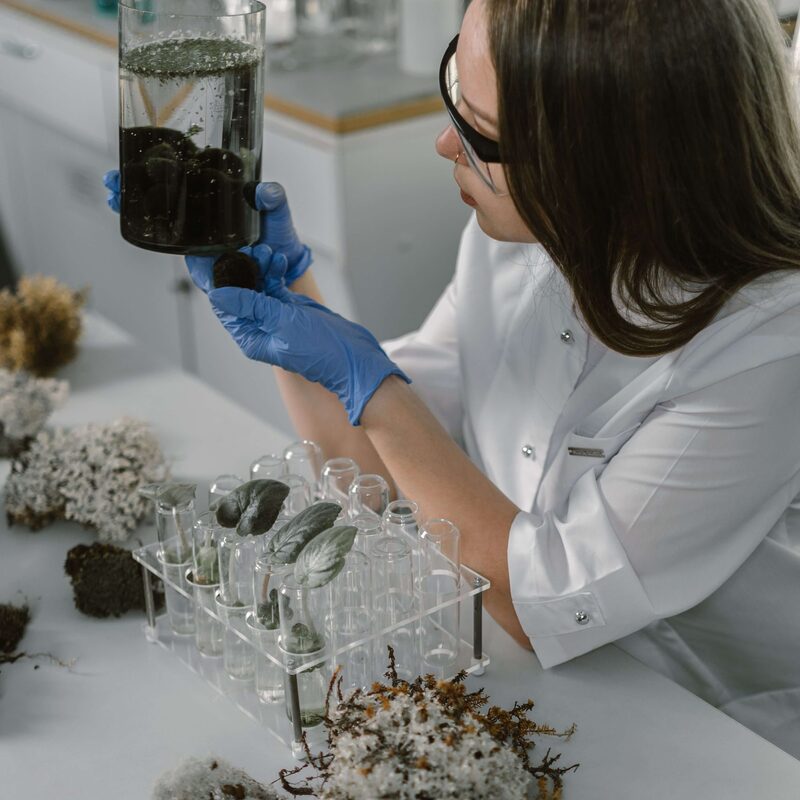
Our agronomist visits your site to assess crop health, identify pest species, and map infestation levels before any treatment is recommended.

System Configuration
We right-size the electrocatalytic unit to your operation, select the correct Protection Agent formulations, and define the optimal application method for your crop type.
Equipment Deployment
The H2E system is delivered, installed, and commissioned at your premises by our technical team — ready to operate from day one.
Consumables Supply
Protection Agents are delivered on demand, formulated to match the specific pests and disease pressures present at that moment in your growing season.
Technical Solutions
Our team designs application schedules, dosage protocols, and crop-specific strategies tailored to your most persistent pest and disease challenges.

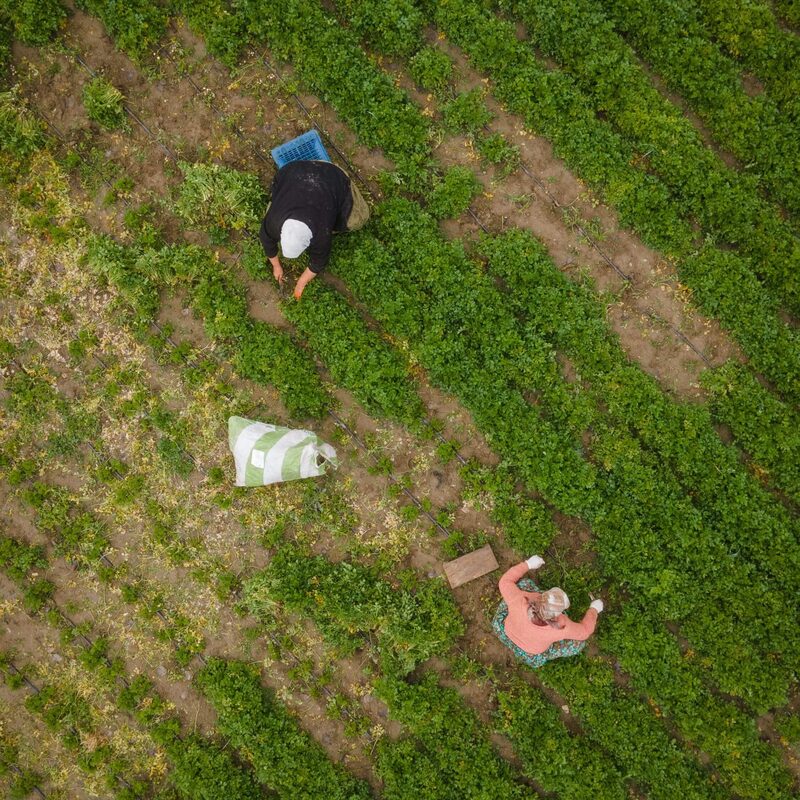
Regular On-Site Follow-up
Ongoing agronomist visits ensure the programme is performing. Formulations are adjusted in real time so your crop protection stays optimised throughout the season.
Talk to an Agronomist. Get a Custom Cost Analysis.
Bring us your crop type, acreage, and current pest challenges. We'll show you exactly what H2E would cost, what it would replace, and what your operation stands to gain — before you commit to anything.